Fall Prevention for Older Adults at Home: A Practical Guide for Family Caregivers
Falls are the leading cause of injury in older adults, and most are preventable. This guide covers the real risk factors and what families can actually do about them.
Contents
Falls are the leading cause of injury-related death in adults over 65, and more than half of all falls in older adults occur at home. This is both a sobering statistic and a useful one: the home environment is something families can assess and modify. Most falls are not random accidents. They are predictable events with identifiable contributing factors.
📋 In this guide
- The actual causes of falls in older adults
- How to conduct a home safety assessment
- The modifications that make the biggest difference
- The role of medication and health conditions
- How to respond after a fall has happened
Why Falls Happen: The Real Causes
Falls are almost never caused by a single factor. They result from the intersection of a person's physical capabilities, their environment, and contributing conditions. Understanding which factors apply to your loved one tells you where to focus.
Muscle weakness: Leg strength declines with age, and sarcopenia (age-related muscle loss) is nearly universal by the mid-seventies unless actively countered with exercise. Weak legs mean less stability and slower recovery when balance is disrupted.
Balance and gait changes: The sensory systems that maintain balance (inner ear, vision, proprioception in the feet and ankles) all become less reliable with age. Many older adults walk with a shuffling gait, reduced step height, or a wider base stance, all of which change fall dynamics.
Medications: This is underestimated. Multiple medications that individually seem benign can combine to significantly impair balance and reaction time. Managing medications for older adults must include regular review of fall-risk side effects.
Environmental hazards: Loose rugs, poor lighting, cluttered walkways, absence of grab rails, and slippery bathroom surfaces are present in the majority of older adults' homes. Most are easily removed or fixed.
of falls in older adults happen at home, most commonly in the bathroom and on stairs
The Home Safety Assessment
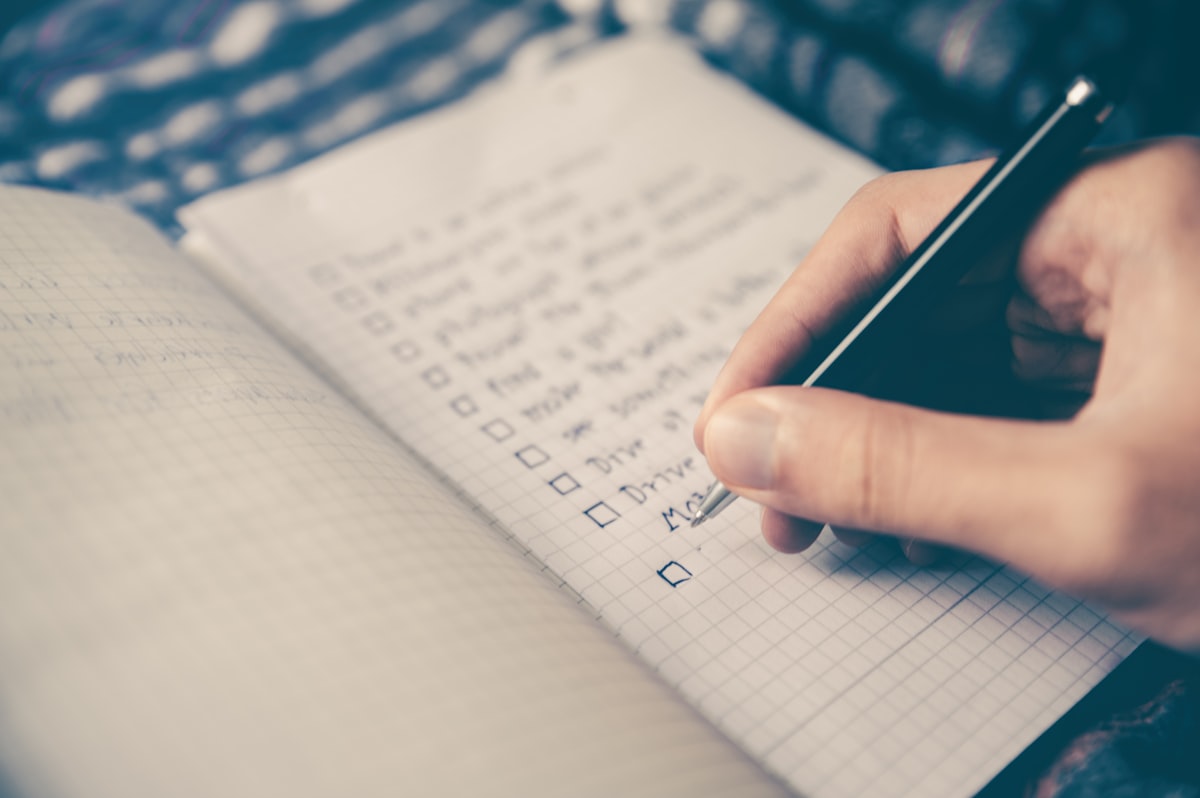
A systematic walk-through of the home takes about thirty minutes and identifies the vast majority of fall hazards. Go room by room and assess:
Bedroom
- Is the bed at a safe height? (Feet should reach the floor flatly when sitting on the edge)
- Is there a lamp or light switch reachable from the bed for nighttime trips to the bathroom?
- Is the pathway from the bed to the bathroom clear and lit?
- Are there loose rugs? (Remove all of them)
Bathroom
- Are there grab rails beside the toilet and inside the shower or bath? (This is the single highest-impact modification)
- Is there a non-slip mat in the shower or bath?
- Is the toilet seat at a good height? (A raised toilet seat can make standing significantly easier)
- Is there a seat in the shower for those who need to sit while washing?
Kitchen and living areas
- Are walkways clear of furniture, cables, and clutter?
- Is flooring even and secure? (Lifted linoleum edges, uneven thresholds, and loose laminate are trip hazards)
- Is lighting adequate? (Older eyes need significantly more light than younger ones to see safely)
Stairs and entries
- Are there sturdy handrails on both sides of all stairways?
- Is the stairway well-lit, including at the top and bottom?
- Are steps clear of objects and secure underfoot?
💡 Lighting at night matters most
The bathroom trip at 2am is the highest-risk moment for many older adults. Night lights on the pathway from bedroom to bathroom, and a light that turns on automatically when the bathroom door opens, reduce this risk significantly. They cost very little and make a substantial difference.
→ Log your home safety assessment in CareMaple and share it with the whole care team
Modifications That Make the Biggest Difference
Not all home modifications are equal. The evidence strongly supports these as the highest-impact changes:
1. Grab rails in the bathroom: Next to the toilet and inside the shower or bath. These should be professionally installed into wall studs, not just into plasterboard. A grab rail that pulls out of the wall is worse than none.
2. Remove all loose rugs: There are no safe loose rugs for someone with fall risk. Remove them entirely. Secured rubber-backed mats in the bathroom are fine; unsecured rugs elsewhere are not.
3. Night lighting: Motion-activated night lights on the bedroom-to-bathroom path. A lamp within reach of the bed.
4. Non-slip surfaces in wet areas: Non-slip bath mats and shower bases, or anti-slip strips applied to the bath.
5. Footwear: Many falls happen because the person is wearing socks without grip, loose slippers, or unsecured footwear. Well-fitting, non-slip footwear worn consistently indoors makes a real difference.
6. Stairway handrails: Handrails on both sides if possible, and a policy of holding them always.
Addressing Medical and Medication Risk
Home modifications address environmental risk. The person's physical condition and their medication profile contribute separately.
Exercise
Exercise that specifically targets balance and leg strength is one of the most evidence-based fall prevention interventions available. Tai chi, physiotherapy-directed exercise programs, and supervised strength training all reduce fall rates. If your loved one has not had a physiotherapy assessment focused on fall risk, this is worth requesting from the GP.
Medication review
Ask the GP to review all current medications specifically for fall risk. Medications particularly associated with falls include: benzodiazepines and sleeping pills, antidepressants (especially tricyclics and SSRIs), antihypertensives (particularly at dose changes), antipsychotics, and blood sugar medications. The question to ask is: "Are any of these medications contributing to fall risk, and is there an alternative?"
Vision
Many older adults are walking around with uncorrected vision impairment that significantly increases fall risk. A current glasses prescription is essential. If bifocals are used, consider whether they affect depth perception on stairs.
⚠️ After a fall, fear becomes its own risk factor
Many people who fall develop a fear of falling that causes them to move less, which weakens muscles and reduces balance, which increases future fall risk. This cycle needs active interruption through gentle reassurance, physiotherapy, and gradual confidence-building rather than restriction of movement.
After a Fall Happens
If your loved one has a fall, document what happened in detail: the time, the location, what they were doing, whether there was a loss of consciousness, what injuries are visible, and what they report feeling. This information is important for the GP and helps identify which risk factor was active.
Log the fall in your care record immediately. A pattern of falls is clinically significant even when individual falls seem minor. Care journal documentation creates the longitudinal record that helps doctors identify patterns and adjust care accordingly.
Falls that result in a lie on the floor for more than an hour, any head injury, loss of consciousness, significant pain, or inability to weight-bear require emergency medical assessment. Do not assume everything is fine because nothing appears broken.
→ Log incidents and track patterns in CareMaple to share with your care team
Technology Supports, Not Replaces, Prevention
Fall detection technology (personal alarm pendants, smartwatch fall detection, floor sensor mats) can alert family quickly after a fall. This reduces the time spent on the floor, which is independently associated with better outcomes. But technology detects falls; it does not prevent them.
Use technology as a safety net and invest the primary effort in the environmental and medical risk factors that are genuinely preventable.
Most falls are preventable. Use CareMaple to coordinate your care team and create a shared log where any fall, near-miss, or environmental concern is immediately visible to everyone involved in keeping your loved one safe.
Frequently Asked Questions
What are the most common causes of falls in older adults?
The most common causes are muscle weakness (particularly in the legs), balance and gait problems, medication side effects (especially sedatives, blood pressure medications, and antidepressants), vision impairment, home hazards (loose rugs, poor lighting, absence of grab rails), and a previous fall (which significantly increases fall risk due to fear and altered movement patterns).
How do I assess fall risk at home?
Walk through the home systematically and assess: floor surfaces (loose rugs, uneven transitions, wet areas), lighting (especially at night in pathways to the bathroom), bathroom safety (absence of grab rails, slippery shower base), stairways (handrails on both sides, clear of objects), footwear (non-slip, secure fit), and any clutter that narrows walkways. Also review current medications for fall-risk side effects.
What home modifications make the biggest difference for fall prevention?
The highest-impact modifications are: installing grab rails in the bathroom next to the toilet and in the shower or bath, improving lighting in all walkways and the route to the toilet at night, removing loose rugs entirely, using non-slip mats in the shower and bath, ensuring footwear is appropriate, and installing a handrail on all stairways. These six changes address the majority of home-based fall hazards.
Do fall alarms and sensors work?
Fall detection technology has improved significantly. Personal alarm pendants, smartwatches with fall detection, and floor sensor mats can alert family or a monitoring service quickly after a fall. They do not prevent falls but they dramatically reduce the time a person spends on the floor after falling, which significantly improves outcomes.
What role does medication play in fall risk?
Medications are one of the most significant and most underestimated fall risk factors. Sedatives, sleep aids, some antidepressants, blood pressure medications, and medications that affect blood sugar can all increase fall risk through dizziness, low blood pressure on standing, confusion, or impaired coordination. A medication review with the GP specifically focused on fall risk is valuable for anyone who has fallen.
CareMaple Family Team
We help families coordinate care for elderly and dependent relatives — with the tools, documentation, and peace of mind that comes from a well-organised care system. Every article is written from real caregiving experience.
Start coordinating care with your family
CareMaple Family is free to start — no credit card required.
Try CareMaple Family Free